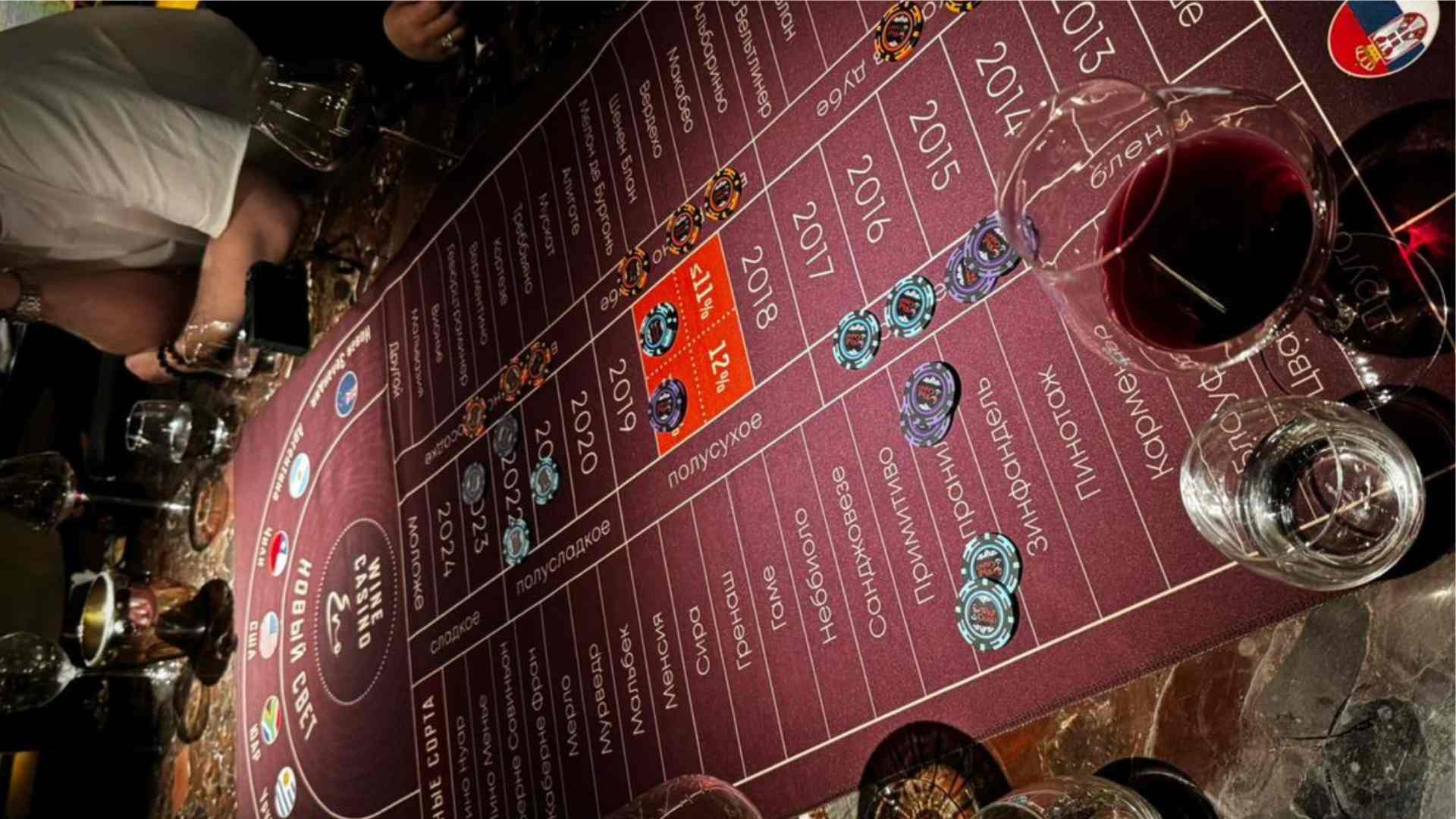
Tabletop gaming has shifted significantly from purely competitive environments to complex collaborative experiences that require absolute teamwork. Board games that reward careful coordination push players to align their strategies, manage limited resources, and communicate effectively to achieve a common goal. This dynamic creates an immersive atmosphere where every participant's choice impacts the collective outcome of the group.
The Critical Role of Communication in Team Success
In highly collaborative board games, open discussion and tactical planning are the ultimate foundations for defeating the game mechanics. Players must openly share their intentions and analyze potential outcomes together before committing to an action. Failing to discuss options beforehand often results in critical mistakes that can compromise the entire match.
Furthermore, balancing diverse viewpoints within a group teaches valuable real-world problem-solving and leadership skills. Navigating intense scenarios on the board requires participants to practice patience and respect each individual's unique strategic perspective. This profound social interaction remains one of the primary reasons why cooperative tabletop hobbies continue to grow in global popularity.
How Game Design Enforces Strategic Synchronization
Modern game designers use innovative mechanics like hidden information or restricted actions to force deep player dependency. By preventing a single dominant player from making all the choices, these unique constraints guarantee that everyone has an essential role to fulfill. This brilliant structural balance keeps every individual actively engaged and fully invested throughout the entire session.
For enthusiasts looking to explore other structured online platforms that require quick decision-making, checking out specialized networks like M88 asia can provide a different style of entertainment. However, the foundational design principles of physical tabletop games remain unmatched in building genuine face-to-face team unity. Understanding these structural frameworks helps players appreciate the deep level of planning involved in every design.
Managing Risk and Resource Distribution Collectively
Surviving complex board game scenarios demands strict discipline regarding how shared items and abilities are allocated. Teams must prioritize long-term survival over short-term gains, often sacrificing individual advantages for the greater good of the group. This calculated sacrifice builds mutual trust and strengthens social bonds among friends and family members.
Additionally, adapting to unexpected random events or sudden threats tests a team's flexibility under pressure. Successful groups learn to reformulate their strategies on the fly without losing sight of their primary mission. This ongoing tactical adjustment ensures that no two gaming sessions feel exactly the same, providing immense replay value.
Building a Versatile Collection for Group Coordination
When selecting new cooperative titles for a home library, it is helpful to look for varying difficulty levels and diverse thematic settings. Incorporating a mixture of survival adventures, puzzle-solving challenges, and historical campaigns ensures that your collection caters to different social moods. This thoughtful variety guarantees that you always have an engaging option ready for weekend gatherings.
Ultimately, investing in well-designed physical games with high-quality components elevates the shared sensory experience at the table. Clear boards and tactile pieces make tracking complex team movements much more intuitive and satisfying. A carefully curated collection provides endless opportunities for memorable triumphs and collaborative fun for years to come.