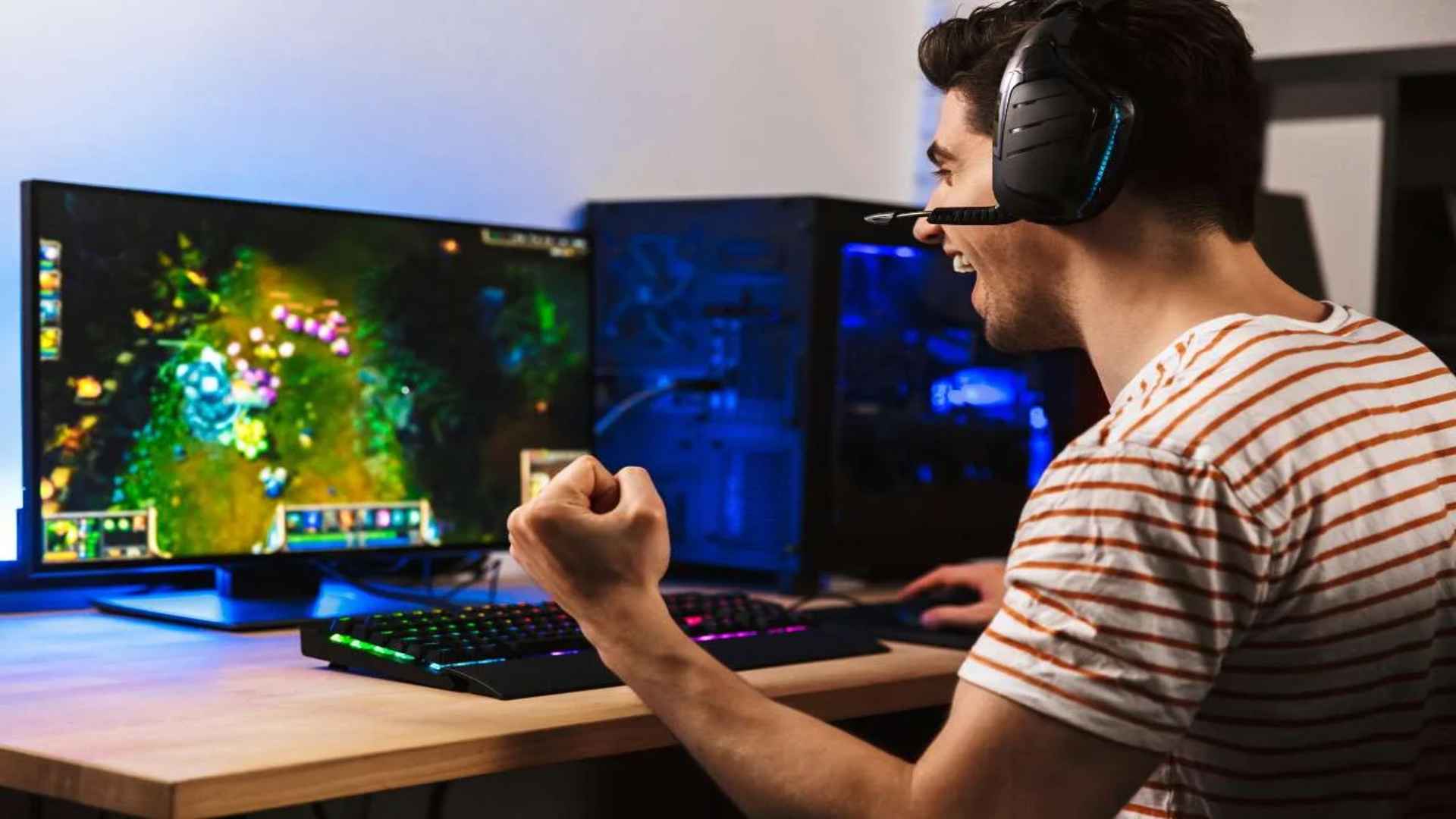
Competitive gaming requires more than just quick reflexes and a solid understanding of a game's basic rules. To truly excel, players must cultivate high levels of cognitive flexibility, foresight, and emotional resilience under immense pressure. Engaging with tactical tabletop games is a highly effective way to sharpen these exact mental attributes away from the digital screen.
Sharpening Tactical Foresight Through Chess
Chess stands as one of the oldest and most challenging mental exercises available, demanding players to constantly think several moves ahead. Each match forces you to balance your immediate offensive maneuvers with a strong, calculated defensive posture. This deep analytical process directly translates to modern gaming, where anticipating an opponent's strategy determines victory.
By practicing chess regularly, you develop a natural habit of mapping out branching scenarios in real time. This cognitive agility allows you to adapt instantly to unpredictable threats during dynamic competitive matches. Ultimately, the foresight built at the physical board creates a massive strategic advantage in any digital arena.
Building Emotional Control with Card Games
Classic card games like poker or blackjack offer a unique training ground for mastering risk management and emotional self-control. Success in these games relies heavily on understanding mathematical probabilities and managing your reaction to unfavorable hands. Learning to remain completely calm during a bad run of cards builds incredible psychological resilience.
This mental stability is vital when competing in high-stakes environments, such as those featured on platforms like M88 esports, where a single mistake can alter the entire course of a tournament. Players who master their emotions can make objective, logical decisions even when facing intense pressure. Over time, this disciplined mindset prevents panic and keeps your strategic execution flawless.
Enhancing Collaborative Communication Through Cooperative Games
Many modern tabletop experiences require players to cooperate closely to achieve a shared victory against the game itself. These cooperative challenges place a massive premium on clear communication, resource sharing, and collective problem-solving. To succeed, the group must operate as a singular, cohesive unit where every individual role is maximized.
Participating in cooperative table games teaches you how to convey critical information concisely during fast-paced moments. It also builds mutual trust and helps players understand how to coordinate diverse strategies effectively. Implementing these team-focused habits will drastically improve your performance in any multiplayer competitive environment.